
A lower deflection criterion and the use of plastic capacity enables you to design your projects more efficiently
Introduction to the topic
In today’s construction landscape, the demand for cost-effective yet high-performing solutions has ever been higher. Value Engineering plays a critical role in meeting these expectations—by optimising designs without compromising safety, functionality, or code compliance. At Hilti, our
commitment to enable better value engineering drives us to continuously push the limits of technical innovation and economic efficiency, always grounded in our unwavering philosophy of safety.
Two key levers in this pursuit are lower deflection criteria and the use of plastic capacity in design. By allowing for reduced deflection limits and harnessing the full plastic capacity of our MT system, engineers can create slimmer, more material-efficient designs—while still meeting the required
performance standards. These focus areas are not just technical adjustments—they are strategic enablers that make our MT system more competitive and sustainable. 
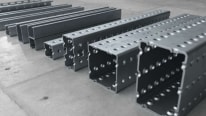
Figure 1: Hilti MT System (HCH ID 211926)
Lower deflection criteria for MEP substructures
Every structural element bends under load, and it is essential to ensure that substructures such as those used in MEP applications continue to meet their functional requirements. While this may not involve the risk of collapse or compromise the overall strength of the substructure, it can significantly impact usability and the perceived safety of the people relying on it.
This is why, for MEP substructures as well as primary structural elements, Serviceability Limit States (SLS) are just as important as Ultimate Limit States (ULS). ULS focuses on safety and structural stability under extreme load conditions, whereas SLS ensures proper functionality and comfort during everyday use. In MEP systems, excessive deflection can cause practical issues such as leakage or damage to equipment and may also undermine users’ confidence in the system.
Conclusion
Value Engineering is about making intelligent design decisions that improve performance without inflating cost—and that’s exactly what Hilti’s latest developments in the Hilti MT System deliver. By introducing more suitable deflection criteria for MEP substructures, we recognise the unique demands of secondary systems. Unlike primary structures, these supports don’t require overly strict limits. Allowing for slightly higher deflections—L/150 for single spans and L/75 for cantilevers—reflects realistic usage, helps to improve efficiency, and enabling higher default capacities.
Complementing this, the adoption of plastic section modulus in the design of select Hilti MT channels and girders, supported by both testing and Eurocode guidance, allows for fuller utilisation of material capacity. This shift from elastic to plastic design principles increases load-bearing potential while maintaining compliance with structural codes. Together, these two enhancements—smarter deflection checks and plastic design capability—give engineers more flexibility, confidence, and efficiency in their daily work.
